


How Bitcoin Mining Infrastructure Is Expanding Into AI
Over the past decade Bitcoin mining has evolved from small hobby setups into industrial scale operations that resemble energy intensive data centers. Large mining sites now manage megawatts of power, specialized cooling systems, and thousands of machines operating continuously. Recently a new trend has begun to emerge across parts of the industry. Some mining companies are exploring whether the infrastructure they built for Bitcoin could also support artificial intelligence computing workloads.
This shift is not about replacing mining. Instead, it reflects how some operators are looking at ways to diversify how their infrastructure is used. AI workloads require enormous computing power, and many mining facilities already possess several of the key ingredients needed to support high performance computing.
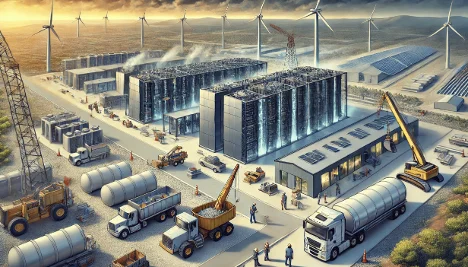
Image Source: Data Gravity
Why AI Is Appealing to Mining Companies
Artificial intelligence training and high performance computing requires massive amounts of electricity and cooling. These requirements overlap with the type of infrastructure already present in many mining operations.
Mining companies often control large electrical connections and operate in regions where energy costs are lower. Facilities are designed to support dense computing loads and remove large amounts of heat from equipment. These same characteristics are also critical for AI training environments.
As demand for AI computing continues to grow, many regions face shortages in available data center capacity. Several mining companies have begun exploring whether their existing power infrastructure can support AI computing workloads alongside mining operations (CoinTelegraph 2024).
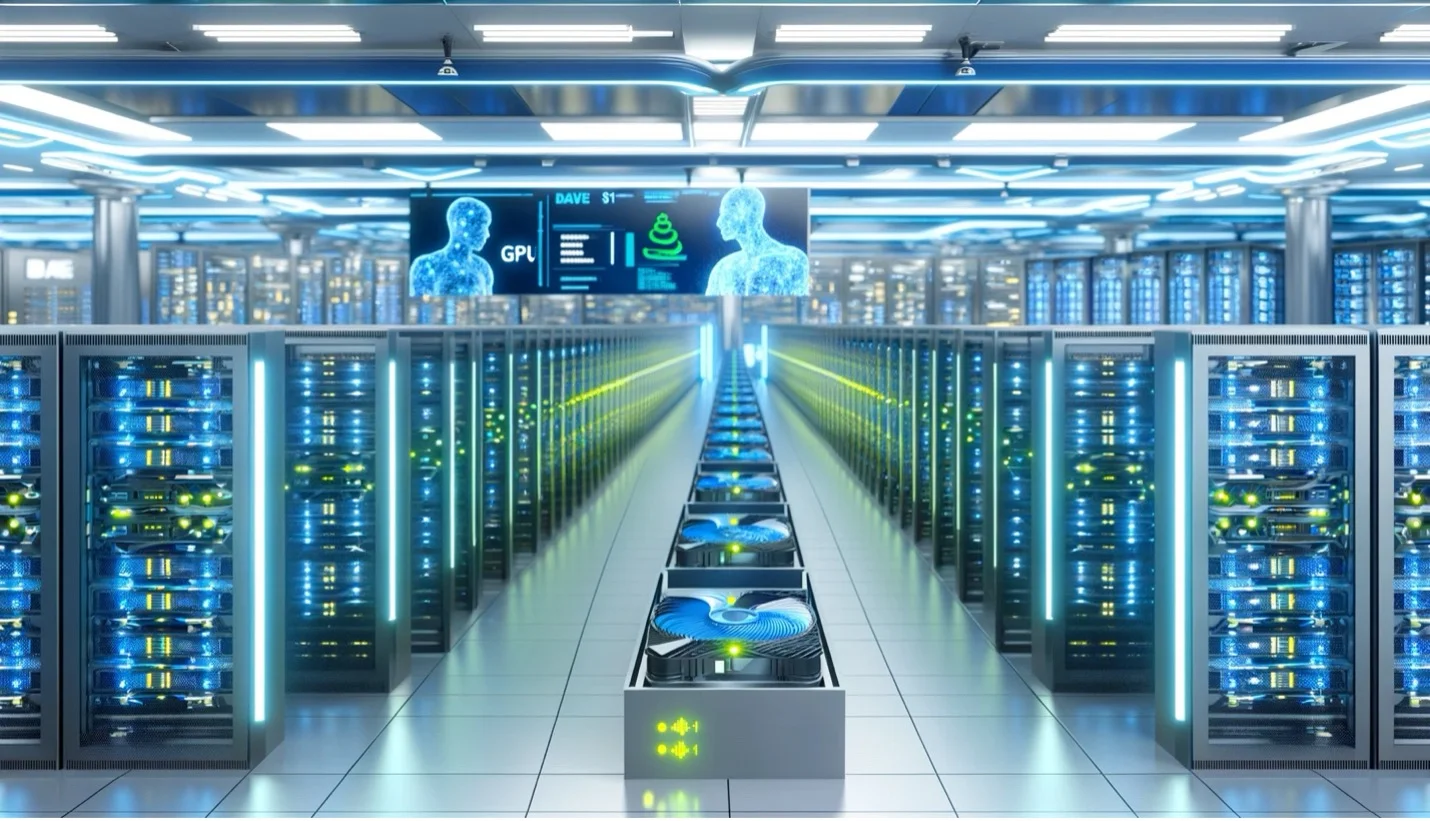
Image Source: United.AI
The Infrastructure Similarities
At a high level both Bitcoin mining and AI computing rely on concentrated computing hardware that consumes large amounts of electricity and generates significant heat.
Mining facilities run thousands of ASIC machines that perform cryptographic calculations continuously. AI data centers operate clusters of GPUs that process machine learning workloads. In both environments the facility must deliver stable power and maintain safe operating temperatures.
Because of these shared characteristics mining infrastructure can sometimes provide a starting point for high performance computing environments. Some industry observers have noted that mining operators already possess key assets such as power capacity and physical sites that are increasingly valuable for data center development (CoinTelegraph 2024).
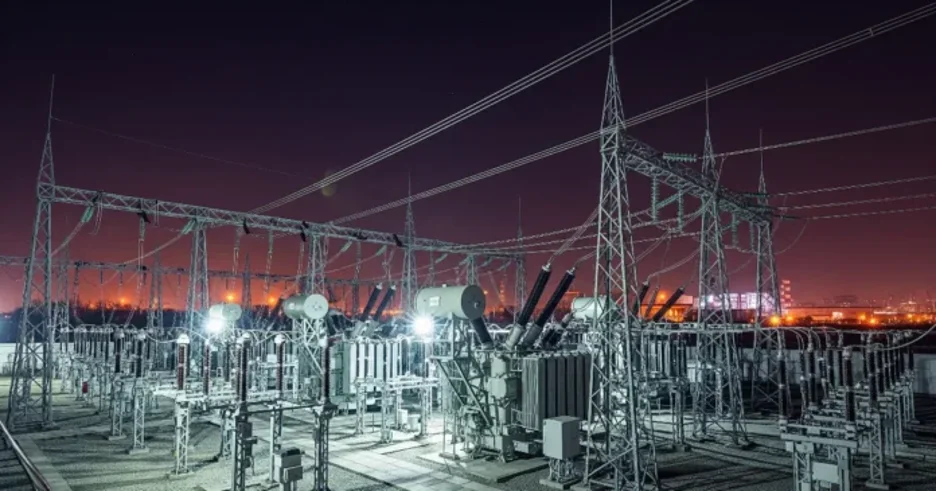
Image source: Bitcoin Magazine
Why This Trend Is Emerging Now
Several industry forces are driving the conversation around mining infrastructure and AI workloads.
First the demand for AI computing has grown rapidly as companies invest in machine learning models and data intensive applications. Electricity consumption from data centers and AI systems is expected to increase significantly in the coming years as computing demand expands globally (International Energy Agency 2024).
Second the Bitcoin mining industry periodically experiences periods of lower profitability. During these times some operators look for ways to maximize the value of their existing infrastructure rather than leaving large facilities underutilized.
Finally mining companies already control significant power capacity, land, and cooling systems. These assets can be difficult and time consuming to develop in traditional data center markets.
The Challenges and Operational Differences
Despite the similarities Bitcoin mining facilities and AI data centers are not identical. Several operational differences make the transition more complex.
One major difference is redundancy. Traditional AI data centers are typically designed with multiple backup systems including redundant power feeds, backup generators, and battery systems. Bitcoin mining operations usually do not require this level of redundancy because machines can shut down temporarily without causing permanent damage to operations.
Networking requirements also differ significantly. AI workloads require extremely fast communication between thousands of GPUs working together on training tasks. This requires specialized networking hardware and high bandwidth connectivity. Bitcoin mining machines operate mostly independently and do not require this level of internal data transfer.
Uptime expectations also differ. Enterprise AI computing environments often require extremely high availability. Mining operations can tolerate interruptions more easily and sometimes curtail operations intentionally when electricity prices rise.
Cooling systems may also differ. AI servers often rely on liquid cooling or specialized airflow designs to manage the heat generated by GPU clusters. Mining facilities are designed to remove large amounts of heat efficiently but may still require adjustments to support certain AI hardware.
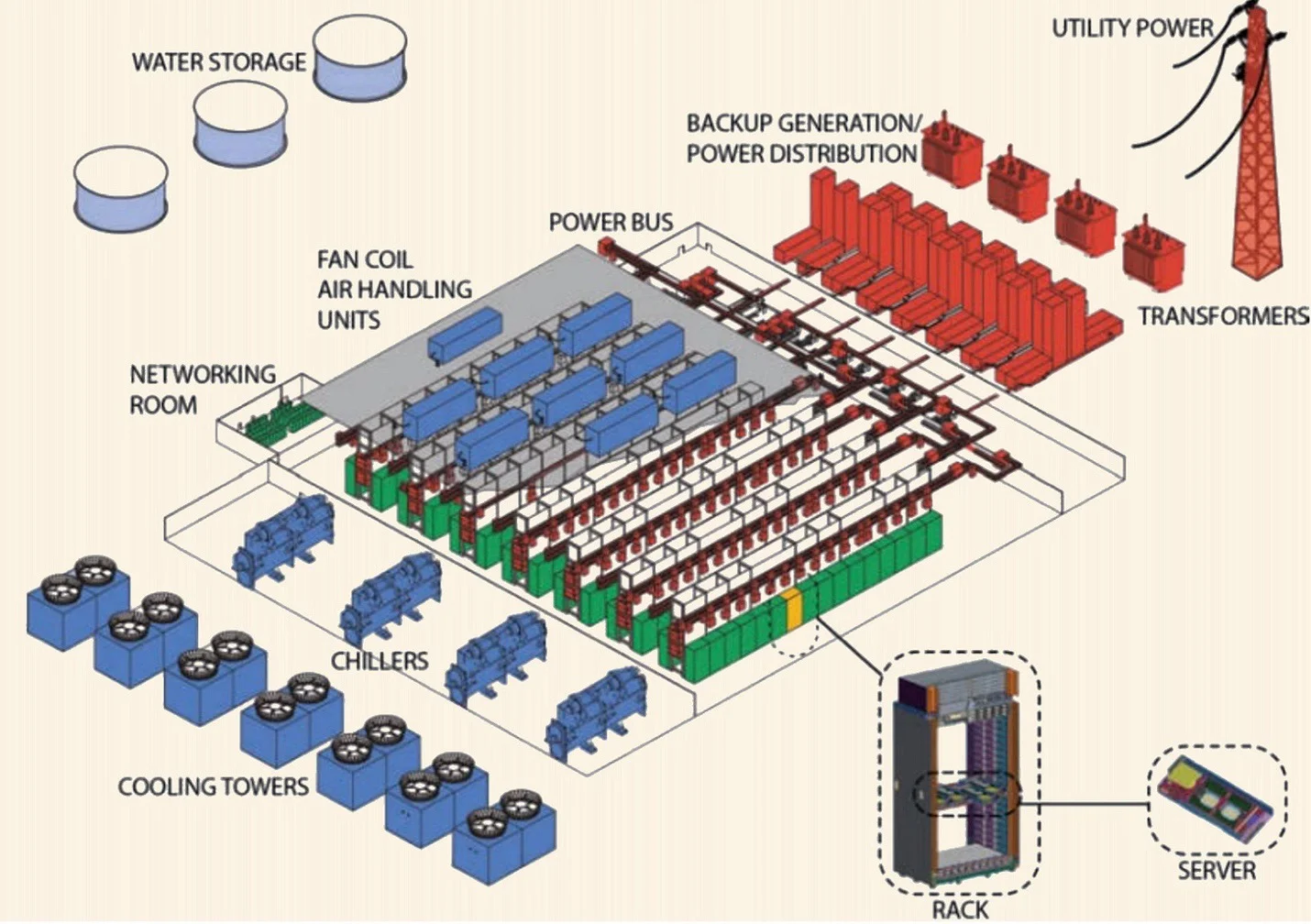
Image source: Insights4VC
Final Thoughts
The Bitcoin mining industry has always adapted to changes in technology and economics. As global demand for computing power grows some mining companies are exploring whether their infrastructure can support additional workloads.
Artificial intelligence is one area where these conversations are beginning to develop. Mining facilities already manage large power connections and dense computing environments which creates some natural overlap with high performance computing.
At the same time mining and AI data centers operate under different technical and operational requirements. Understanding these differences is essential before any transition can occur.
For now the intersection between Bitcoin mining and AI computing remains an area of experimentation. Whether it becomes a long term industry trend will depend on how energy markets, infrastructure development, and computing demand continue to evolve.
References:
Bitcoin Magazine. 2025. Bitcoin Mining Has Huge Role In Energy Production Expansion.
https://bitcoinmagazine.com/bitcoin-mining/bitcoin-mining-has-huge-role-in-energy-production-expansion
CoinTelegraph. 2024. Bitcoin miners exploring AI computing opportunities.
https://cointelegraph.com
Data Gravity. 2025. Why the Crypto Miners Won AI Workloads.
https://www.datagravity.dev/p/why-the-crypto-miners-won-ai-workloads
Insights4VC. 2026. Bitcoin Miners Pivot to AI Data Centers.
https://insights4vc.substack.com/p/bitcoin-miners-pivot-to-ai-data-centers
International Energy Agency. 2024. Electricity consumption from data centers and artificial intelligence.
https://www.iea.org
Unite.AI. 2024. GPU Data Centers Strain Power Grids Balancing AI Innovation and Energy Consumption. https://www.unite.ai/gpu-data-centers-strain-power-grids-balancing-ai-innovation-and-energy-consumption/
Follow us

COPYRIGHT (©) 2026 Hash House. All Rights Reserved.