

Why Not All Megawatts Are Equal in Bitcoin Mining
In Bitcoin mining, power is often reduced to a single number. One megawatt is treated the same as any other megawatt. On paper, that makes sense. In practice, it is far from true. Two mining sites with identical capacity can perform very differently depending on how that power is delivered, managed, and sustained.
Understanding this difference is critical, especially as mining becomes more competitive and margins tighten.
Power Quality, Stability, and Real Availability
A megawatt defines capacity, not performance. It tells you how much power a site can draw, but it does not reflect how effectively that power can be used. Mining profitability depends not only on available energy, but also on how consistently that energy can be converted into hash rate.
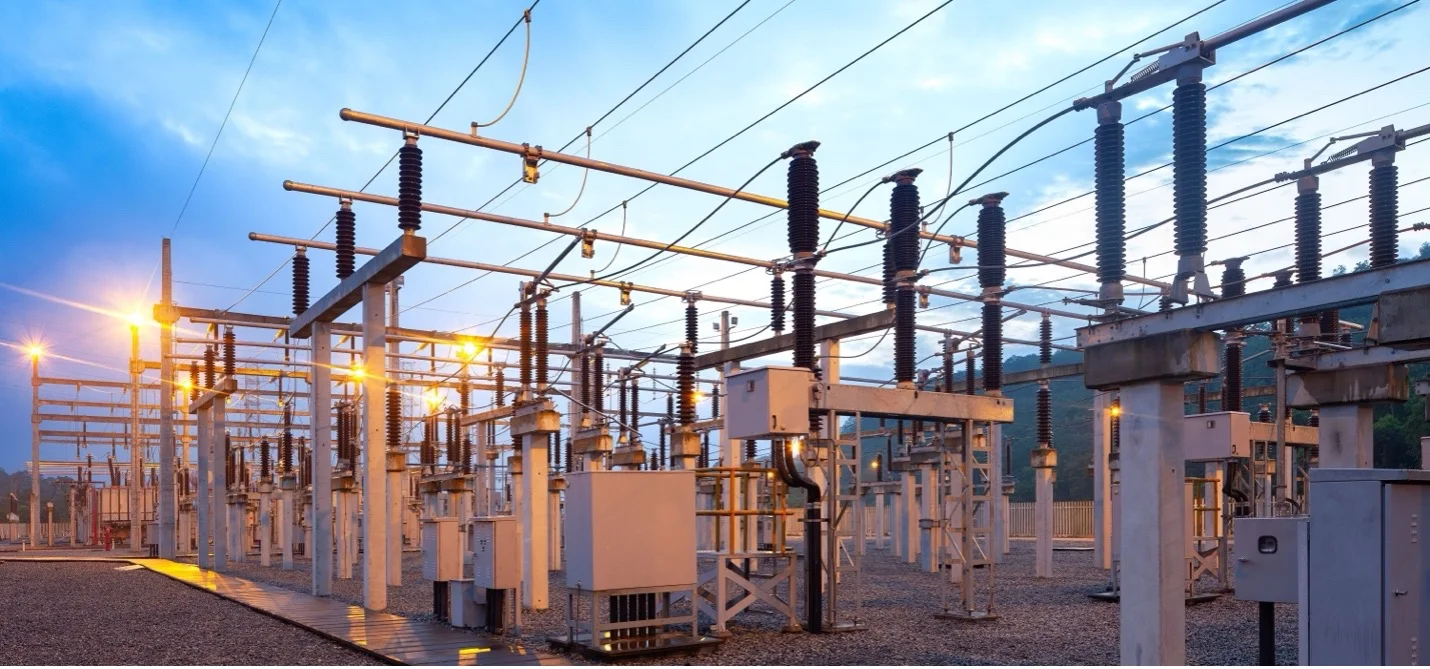
Power quality plays a major role in this. Voltage fluctuations, frequency instability, and supply interruptions all affect machine uptime and hardware longevity. Even short disruptions can trigger resets across large fleets of miners and reduce overall output. Research on electric power systems shows that instability in voltage and supply directly impacts industrial equipment performance and reliability (EIA 2024).
Beyond stability, real availability must be considered. In many regions, especially those with high renewable penetration, power is not always guaranteed even when connected. Curtailment events and grid constraints can limit how often a site operates at full capacity. Energy system studies have shown that curtailment can significantly reduce the effective utilization of available power (NREL 2023).
A megawatt that runs consistently is fundamentally different from one that is frequently interrupted or partially available.
(Image source: Alliance to Save Energy 2025)
Location, Cost, and Grid Dynamics
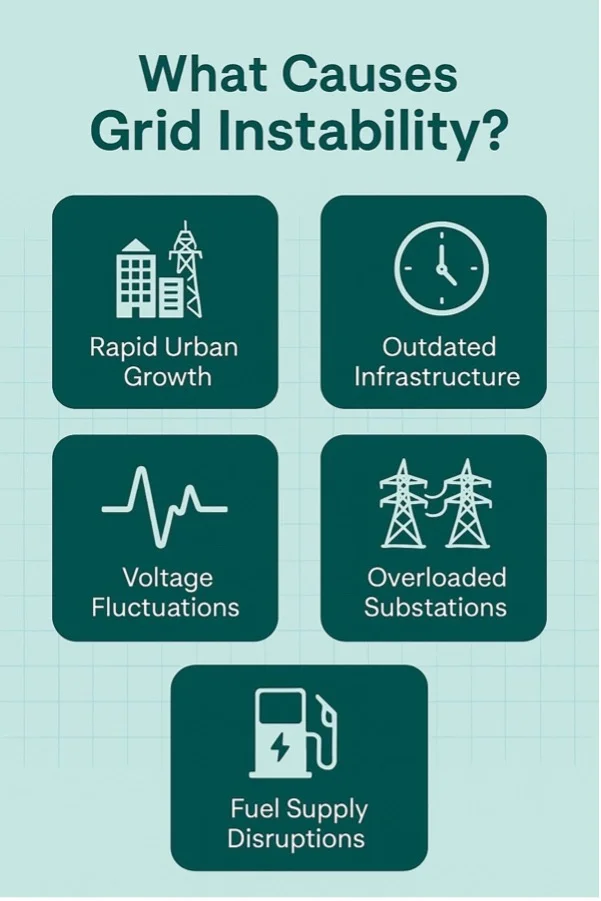
Where power comes from matters just as much as how much is available. Grid reliability varies widely across regions. Some areas offer low-cost electricity but experience frequent outages or operational constraints. Others provide more stable infrastructure at a higher cost.
Electricity market research highlights that reliability is closely tied to infrastructure investment, transmission capacity, and regional demand patterns (IEA 2023). For mining operations, unreliable grids translate directly into downtime and reduced output.
Cost structure adds another layer. Power pricing can vary between fixed agreements and dynamic market rates. Fixed pricing provides predictability, while spot pricing introduces volatility. In many markets, electricity prices can fluctuate significantly based on demand and supply conditions (EIA 2024).
A lower-cost megawatt is not always better if it comes with instability or unpredictable pricing. In some cases, a slightly higher-cost but reliable power source can produce better long-term performance.
(Image source: Constant Energy 2025)
Infrastructure, Distribution, and Efficiency
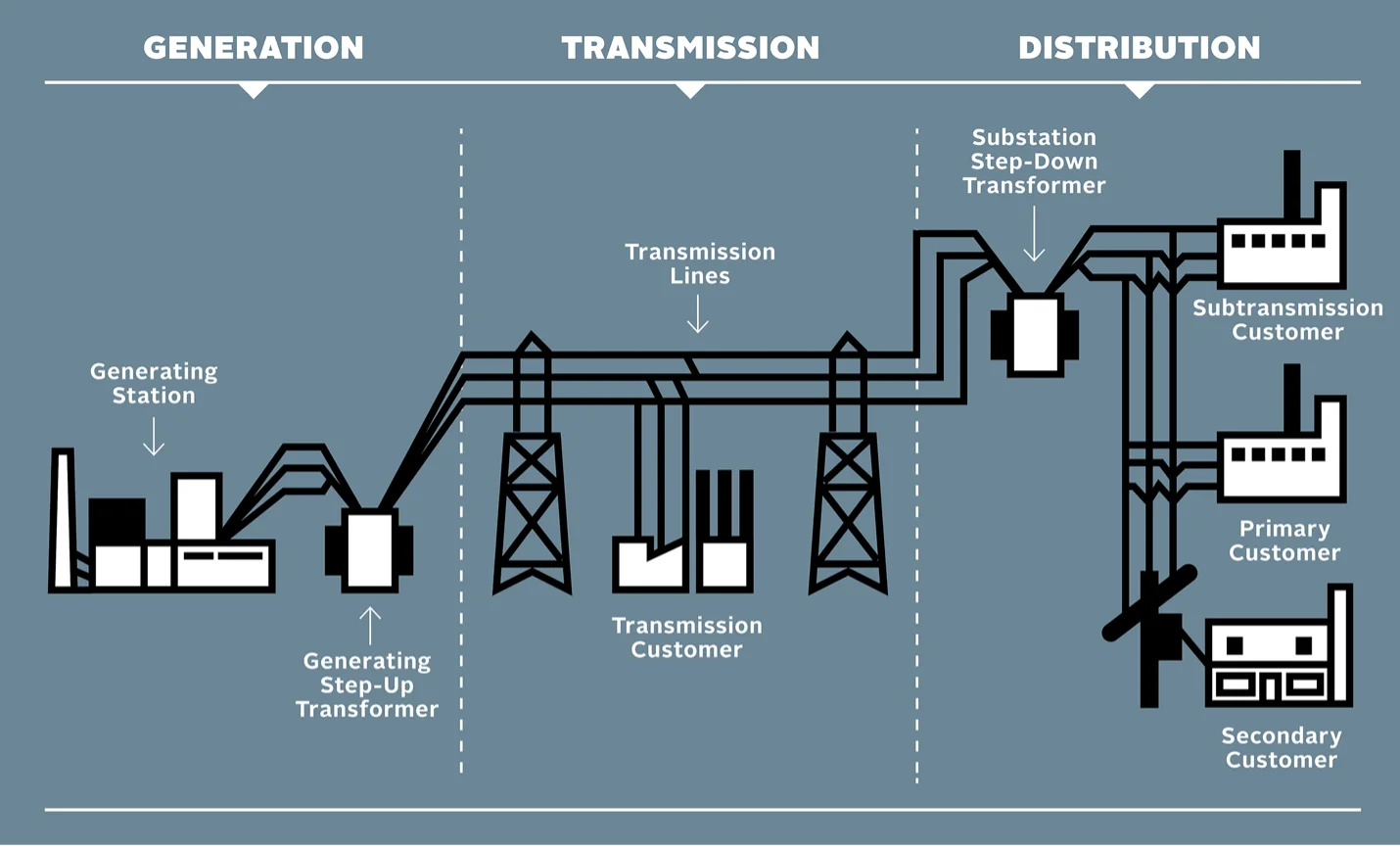
Even within a site, not all power is used equally. Infrastructure design determines how much of that energy actually reaches the machines. Losses in power distribution, inefficient layouts, and poor cooling strategies can all reduce effective output.
Studies on data center performance consistently show that system design and cooling efficiency are critical to maximizing energy utilization (IEA 2023). Mining operations face similar constraints. Poor airflow, uneven heat management, or inefficient electrical distribution can reduce uptime and strain hardware.
As operations scale, these inefficiencies become more pronounced. A site may have the same nameplate capacity as another, but deliver less usable output simply due to design limitations.
A well-designed operation turns power into consistent performance. A poorly designed one wastes it.
(Image source: Popular Mechanics 2023)
Final Thoughts
In Bitcoin mining, success is not determined by how much power you secure, but by how well you use it. Two sites may have the same capacity on paper, but their performance can differ dramatically depending on stability, reliability, cost structure, and infrastructure design.
Not all megawatts are equal. The difference lies in everything behind the number.
References:
Alliance to Save Energy. 2025. Virtual Power Plants Smarter Energy Use Stronger U.S. Grid.
https://www.ase.org/blog/virtual-power-plants-smarter-energy-use-stronger-us-grid
Constant Energy. 2025. How Solar Protects Against Energy Grid Instability.
https://constantenergy.net/blog/how-solar-protects-against-energy-grid-instability/
Popular Mechanics. 2023. How Does the Power Grid Work.
https://www.popularmechanics.com/science/energy/a44067133/how-does-the-power-grid-work/
U.S. Energy Information Administration. 2024. Electric power reliability and market dynamics.
International Energy Agency. 2023. Electricity grids and secure energy transitions.
National Renewable Energy Laboratory. 2023. Renewable energy curtailment and system performance.
U.S. Energy Information Administration. 2024. Electricity price volatility and market structure.
Follow us
COPYRIGHT (©) 2024 Enterprise Quick Website Building-Free Self-Service Template Website Building-High-end Website Custom Design-Website Building Professional Website Construction Company.